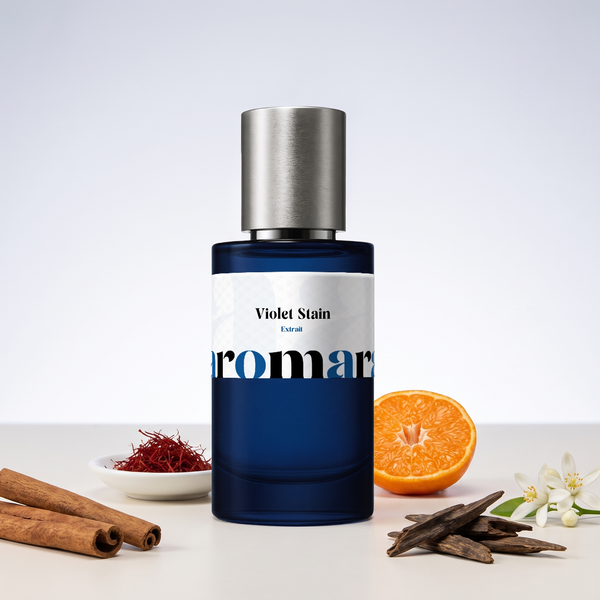
One tree supplies three of perfumery's most used materials, and they smell nothing alike. The bitter orange tree, Citrus aurantium, gives its flowers, its leaves and its fruit peel to the industry, and the difference between the three names on your note list comes down to extraction.
Steam-distil the fresh blossoms and you get neroli: green, bright, faintly metallic, closer to a crisp cologne than to a bouquet. Wash the same blossoms with solvents instead and you get orange blossom absolute, which is sweeter, warmer and far headier, the scent of a whole flowering tree at dusk with a soft animal hum underneath. Distil the leaves and twigs and you get petitgrain, green and woody-fresh. Three note-list names. One tree.
The yields explain the prices. It takes roughly 1,000 pounds of blossom to make a single pound of neroli oil. That is why the real materials sit in the expensive drawer, and why most big commercial orange blossoms are partly rebuilt around the naturals.
When a modern bestseller says orange blossom, it usually means the absolute's territory. YSL's Libre (2019, by Anne Flipo and Carlos Benaim) built its whole idea on that material, setting Moroccan orange blossom against French lavender. Fragrantica classes it as a floral fougere: a traditionally masculine skeleton carrying a heady white floral, which is the tension the whole line trades on.
So the reading lesson is this. Orange blossom on a pyramid tells you very little until you work out which material the perfumer reached for. Green, fresh and cologne-like points to neroli. Sweet, warm and heady points to the absolute. Same flower, different machine, different perfume.
The Libre-style orange blossom lives in Libre Intenso, our version of Libre by Yves Saint Laurent. The rest of the YSL inspired collection is here, and our YSL dupe guide covers the range.