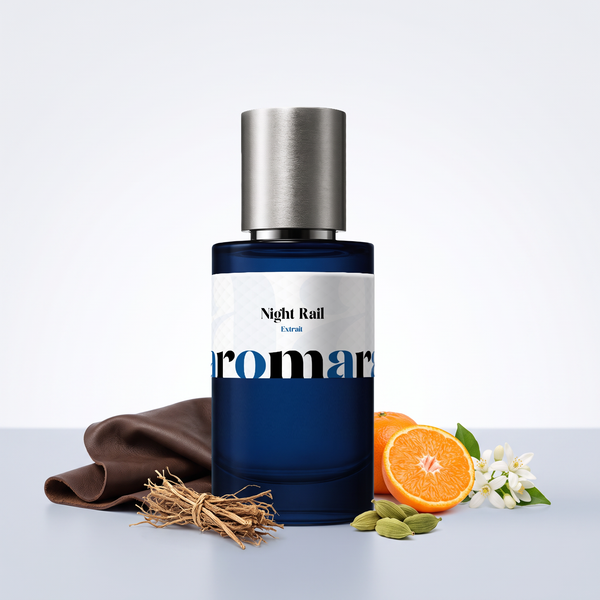
Tom Ford Oud Wood is the fragrance that taught the West to love oud. A 50ml sits around £222 in the UK (checked Sep 2026). Our Oud De Wood chases the same smooth, spiced-oud character at 35% extrait, for £40 a bottle, or £6.99 for a 5ml so you can test it on skin first.
Here is where it came from, what it actually smells like, and how the £40 version holds up.
Oud De Wood, our take on Oud Wood by Tom Ford. 35% Extrait, 7+ hours guaranteed, 60-day money-back. Try the 5ml for £6.99, or the 50ml at £40 (buy any 2, get 1 free).
The note the West was afraid of
Oud, the dark resinous wood that forms when a particular Asian tree is infected by a specific mould, had been treasured across the Middle East for centuries. In its raw form it can unsettle a Western nose: medicinal, animalic, occasionally downright barnyard. For years it sat outside mainstream European perfumery precisely because it refused to compromise.
Tom Ford had already tested the water. As creative director at Yves Saint Laurent he oversaw M7 in 2002, one of the first designer fragrances to put oud front and centre. It was ahead of its time and a commercially awkward sell. When he opened his own house, he returned to the idea, but gentler.
An architect's oud
Oud Wood arrived in 2007 among the original twelve Private Blends, composed by the Firmenich perfumer Richard Herpin. Herpin's masterstroke was restraint. Instead of amplifying oud's wilder edges he sanded them smooth, framing the wood with rosewood, cardamom and a flicker of Chinese pepper up top, then sandalwood and vetiver to keep everything polished. Tonka, amber and vanilla in the base lend a creamy, almost suede-like warmth.
The result is oud made courteous: recognisably exotic, yet wearable to a boardroom in Frankfurt or a wedding in Surrey. It translated a Middle Eastern treasure into a language Western luxury could understand, and the market answered. The oud boom that followed owes this one fragrance an enormous debt.
What it actually smells like
On skin Oud Wood is quiet, dry and refined rather than loud. Cardamom and pepper give a brief spiced lift, then the heart settles into smooth oud, sandalwood and vetiver, more polished wood than smoke. The drydown is creamy and soft, the tonka and vanilla rounding off any rough edges. It sits close to the skin and reads expensive precisely because it does not shout. It is also genuinely unisex, which was rare for a woody fragrance of its era.
What Oud Wood costs in the UK
Oud Wood is a Tom Ford Private Blend, so the pricing climbs with the bottle: around £145 for 30ml, £222 for 50ml and £299 for 100ml (John Lewis, checked Sep 2026). For that you get one of the most influential fragrances of the century, beautifully made. You also get a smooth-oud signature that nearly every house on the high street has since copied, so a lot of people are wearing some version of it.
That is the reason an alternative market exists. Plenty of people love how Oud Wood smells without spending close to £300 on a refined skin scent that, by design, only the people closest to them will notice.
Oud De Wood: the 35% interpretation
This is where we come in, and we will be straight about what we are. Our Oud De Wood is Aromara's interpretation of that smooth-oud character, not a counterfeit and not a Tom Ford product. It carries no designer branding and makes no claim to be the original. It chases the part that matters: the spiced rosewood opening, the polished oud and sandalwood heart, the creamy tonka and amber drydown.
The difference is in two numbers. Ours is built at 35% extrait, roughly double a standard eau de parfum, so the wood and oud hold for seven hours or more rather than fading by lunch. And it costs £6.99 for a 5ml to test it properly, against £222 for a 50ml of the original. We guarantee the wear time in writing, with 60 days to send it back for a full refund if it does not last.
Oud Wood vs Oud De Wood
| Oud Wood (Tom Ford) | Oud De Wood (Aromara) | |
|---|---|---|
| Price | Around £222 for 50ml | £40 for 50ml, £6.99 for 5ml |
| Concentration | Eau de parfum | 35% extrait |
| Wear time | Moderate, sits close | 7+ hours, guaranteed |
| Refund | Unopened only (retailer policy) | 60-day money-back, even opened |
| Made in | United States | United Kingdom |
What we can tell you that no rival can
We make four Tom Ford takes, so we can show you which one people actually buy. Over the last 90 days: Oud De Wood 59 bottles, our Lost Cherry take (Lost Cherry Nior) 37, our Tobacco Vanille take (Tobacco Vanilla) 25, our Black Orchid take (Orchid Noir) 10. The smooth-oud that started the boom is still the Tom Ford scent our customers reach for first.
Widen it to every oud we make and Oud De Wood is second only to our Ombre Nomade take (Nomade, 68 in 90 days). No shop that resells Tom Ford can tell you that, because they do not make both bottles and cannot see the split. Oud De Wood is rated 5.0 from its first 3 reviews on our build page (checked Sep 2026).
Our guide to extrait de parfum explains why concentration changes wear time, and the strongest perfume dupes in the UK shows how the range compares. For a richer, more resinous oud, our Oud Elite is the one to try next.
Frequently asked questions
How much is Tom Ford Oud Wood in the UK?
Around £222 for 50ml and £299 for 100ml, with a 30ml at about £145 (John Lewis, checked Sep 2026). Our Oud De Wood is £40 for 50ml, or £6.99 for a 5ml to test first.
Who created Tom Ford Oud Wood?
It was composed by the Firmenich perfumer Richard Herpin and released in 2007 as one of the original twelve Tom Ford Private Blend fragrances.
Is Oud Wood a strong, animalic oud?
No. It is a deliberately smooth, refined take on oud, framed with rosewood, sandalwood and creamy tonka. It is approachable rather than challenging, which is a large part of why it became so influential.
Is Aromara's Oud De Wood the same as Tom Ford?
No. It is an independent composition inspired by the same smooth-oud character, built at 35% extrait for longevity and sold at a fraction of the price. It is not affiliated with Tom Ford.
Aromara is an independent UK fragrance house. Our fragrances are original compositions inspired by the character of well-known designer scents. We are not affiliated with Tom Ford, and all trademarks belong to their respective owners. Every Aromara fragrance is made in the UK at 35% extrait concentration, with a 7+ hour longevity guarantee and a 60-day money-back promise.